

CMS June Spotlight – Bethany Gilbert, NAMM
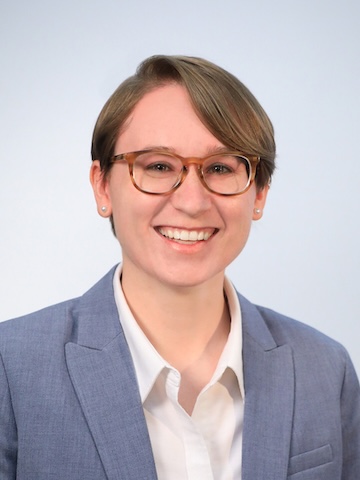
Bethany leads the operational execution of NAMM Foundation initiatives including awards and scholarships, The NAMM Show, board of directors management and cross-functional collaboration internally and externally. Bethany has spent over 11 years at NAMM, progressing through roles spanning the Resource Center, Membership and Public Affairs and Government Relations. She is a Certified Nonprofit Professional through the Nonprofit Leadership Alliance and holds a master’s degree in nonprofit leadership and management from the University of San Diego and a bachelor’s degree in trumpet performance and music business from the Crane School of Music at SUNY Potsdam.
Your work is described publicly as helping lead NAMM Foundation programs that champion music education and inspire the next generation of music makers. What first drew you into this kind of mission-driven work in music, and what continues to energize you about it today?
What drew me in was a simple belief: music changed my life, and I wanted to help make sure other people got that same chance. Early on I was made aware how uneven access to music education was. Some communities had incredible programs and others had almost nothing. What energizes me now is seeing the tangible impact we have; a student who discovers a career path they didn’t even know existed, or a teacher who gets the resources they need to keep a program alive. Those moments remind you why the work matters.
What has been the most valuable professional lesson you have learned in working at the intersection of education, industry, and program development, and how has it shaped how you approach partnerships today?
The biggest lesson has been that real partnerships only work when everyone involved gets something meaningful out of them. Early in my career I think I approached partnerships as more transactional, what can we get, what can we give. Over time I learned the strongest collaborations come from genuinely understanding what your partners need and finding the places where your goals naturally overlap. That means listening more and being honest about what you can and can’t deliver. It sounds simple, but it changes everything about how you build relationships.
The NAMM Foundation describes its Career Mobility focus as addressing “career mobility” challenges and helping close a labor gap by educating students and educational professionals about careers in the music products industry. What are the most persistent misconceptions you encounter about music careers, and what has been most effective in changing those assumptions?
The most persistent misconception is that a career in music means you’re either a performer or an educator. People don’t realize the music products industry includes engineering, marketing, supply chain, education, technology, event production and so much more. We encounter students, parents, and even educators who have a very narrow picture of what working in music looks like. What’s been most effective in changing those assumptions is exposure. When students actually meet people working in these roles, walk The NAMM Show floor, or hear someone describe their path from studying music to leading a product development team, the lightbulb goes on. You can’t aspire to something you don’t know exists.
If a CMS member wants to bring a cohort of students to GenNext, what are the most important decisions they should make in advance to ensure the experience is truly educational and not simply observational?
The most important thing is to be intentional about what you want students to take away. That means doing some homework before you arrive: identify which sessions, exhibitors, or networking opportunities align with your students' interests and your program's learning goals. Have students prepare questions or outcome goals in advance. The students I’ve seen make the most out of their experience had specific goals they wanted to accomplish while at The NAMM Show. It could be something like “I want to improve my networking skills, so I will talk to 5 new people each day.” But don’t just leave it at that, make sure they follow up with those people after the event is over. You don't have to script every minute of their time, but students should know why they're there and what they're looking for. That focus turns a visit into something they carry with them.
CMS is actively communicating about reimagining music schools, supporting diverse pathways, and strengthening professional development. In your view, what is one meaningful way institutions can better prepare students for the breadth of roles that exist in the music industry?
Bring more voices from the industry into the classroom. Not just speakers, but as ongoing partners. When students only hear from faculty, they tend to see their future through an academic lens, which is valuable but incomplete. Institutions that build real relationships with people working across the industry (manufacturing, tech, arts administration, retail, etc.) give students a much wider perspective of where their skills can take them. It doesn’t require overhauling curriculum. Sometimes it just takes one conversation with someone in a role that students never considered to open up a whole new path for them.
From your vantage point, what skills have been most essential in your own professional growth, and how did you develop those skills over time?
The skills that have been most essential in my professional growth are organization, attention to detail while keeping the big picture in mind, adaptability, and the willingness to speak up when something feels off.
Organization has been foundational; it keeps everything moving and nothing falling through the cracks. But I've learned that being detail-oriented only goes so far if you lose sight of the larger goal, so I've worked on holding both at once: sweating the small stuff without losing the thread of what we're actually trying to accomplish.
Adaptability has been huge too. No role or project ever goes exactly as planned, and the faster I got comfortable with that, the more effective I became. And honestly, learning to speak up when something doesn't feel right has probably been the hardest skill to develop but also the most valuable. It's not always comfortable, but it builds trust and prevents small issues from becoming big ones.
Most of these skills came through experience making mistakes, paying attention to what worked, and being open to feedback along the way.
CMS May Spotlight – Dr. Jane Palmquist
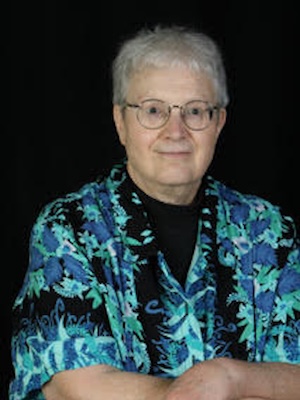
Jane Palmquist joined the Brooklyn College Conservatory of Music faculty in 1998, where she has led music education initiatives and taught a wide range of undergraduate and graduate courses. A specialist in string teacher education and music in general studies, she regularly presents her research at national conferences. Her recent work includes a book on teaching strings in the 21st century and an open educational resource for general music instruction. She currently serves on the CMS Board as the Member for the Council on Music in General Studies.
A. You teach music in general studies and core or pathways contexts. When you think about students who may not see themselves as “music people” at the start of the term, what are the most important learning outcomes you hope they carry with them after the course ends?
The most important outcomes I hope they carry with them are:
- That they are all musicians and all have musical abilities. I start each semester with several fail-safe music activities so students immediately create music.
- Every music is someone’s music and should be respected as such (exception–music and/or lyrics that denigrates or harms others).
- Since music platforms recommend music the students already listen to, they should actively seek out music that is new-to-them to expand their music experiences.
B. Many instructors are experimenting with digital tools to support music teaching and learning. What principles guide you when deciding whether an app or platform is truly serving student learning rather than simply adding complexity?
- Most of the digital tools I select are easy and user-friendly–not at all complex. Part of the associated assignments is for students to describe their learning process–by reading instructions, having a peer help them, using trial-and-error, other or combination? This way I also learn about how they learn. Easy, foolproof apps can yield a lot of information for the professor while facilitating much music learning for the student.
- Guiding principles: Does the app provide students opportunities to experience music, create music, learn music, understand music, explore music? Is it clear? Is it fun? Is it musical? Does it lend itself to a pedagogical use?
C. What is one behind-the-scenes aspect of professional service (committee work, program development, mentoring, convening) that you wish more colleagues understood or valued, and why?
Professional service broadens one’s perspective, informs one’s teaching and scholarship, enlivens one’s work and enriches one’s life and career. The past few years as the Board member for Music in General Studies have been some of the most personally impactful of my career, due to the bright, creative, dedicated people I have met. This is an intangible that I wish others could experience and realize the value of professional service.
D. CMS brings together scholars, performers, teachers, and administrators across many subfields. How has that cross-disciplinary environment shaped your own approach to teaching, mentoring, or scholarly inquiry?
I love learning from my colleagues across disciplines and across North America! Teaching gen ed students is already a cross-disciplinary endeavor because their majors and their interests and backgrounds are so varied. Learning across “silos” as in CMS helps me reach students and relate to students across their interests and experiences. I just think it is fun to learn new things and new perspectives from those outside my discipline and experience.
E. Many CMS members are balancing significant teaching and service demands alongside scholarship. What habits, structures, or boundaries have helped you keep scholarly work moving forward across a busy academic year?
- Also family life–whether rearing children, taking care of parents, personal life including but not limited to health.
- How do I balance these demands and keep scholarship moving forward? Not very well, I’m afraid. However, I do have a weekly Friday morning writing “date” with a colleague that keeps me on track with some of my scholarly work. Other scholarship is consigned to summer or to retirement.
F. What is a misconception about music in general studies that you find yourself regularly correcting, and what would you like colleagues to understand instead?
Just one misconception? Ha! Ha! Although I try not to correct peers or colleagues, there are three main aspects of Music in General Studies (MGS) that I would like others to understand.
- Gen Ed students are often referred to as “non-majors,” “non-music majors” or “nonmusicians.” These terms are misleading and “othering” at best. Gen Ed students are not “non-majors” because they in fact do have majors. “Non-music majors” is an odd term. What is “non-music”, and how does one major in “non-music”, much less get a degree in “non-music”? Gen Ed Students also are not “nonmusicians”--they all have music abilities and capabilities, often equaling or surpassing those of music majors.
Gen Ed students are musicians. Their background and present skills vary. But they are all capable of listening to music, performing and creating music, valuing music and learning about music. The true value in teaching Gen Ed students lies not in the FTE generated, or in developing future audience-goers and music supporters. The value in teaching Gen Ed students music is to enhance and enrich their lives and the lives they touch. - Music in General Studies encompasses more than lecture style “music appreciation,” “clap for credit” or “music history lite” classes. Music in General Studies includes performance classes, western music fundamentals, keyboard and guitar classes, seminar or lecture courses in popular and global musics (and yes, western art/concert/classical music). When someone asks me what I teach, they invariably look perplexed when I say I teach “Gen Ed Music” or “Music in General Studies.” However, the moment I say “Music Appreciation” they light up in recognition, although what they envision is a lecture/listening class.
- A colleague once asked me if I get bored teaching the same class every semester. Before realizing that that is how he teaches, I blurted out, “Who on earth does that? I teach the class differently every semester.” Another colleague once said that the purpose of MGS is to teach students when to applaud if they ever find themselves at a symphony concert. These instances evince an nescience of the high level creative teaching and learning possible in teaching Gen Ed music classes, an undervaluing of General Education, and lack of awareness of the purposes of Gen Ed music classes. Gen Ed music classes are to enrich the students lives through music. Not for us to play the same playlist each semester, or teach them when to applaud. I would like everyone to know that Gen Ed music is exciting, rewarding, ever-changing, fun and important.
G. What is next for you, and how can CMS colleagues stay connected with your work (projects, resources, upcoming sessions, or areas where collaboration is welcome)?
- Retirement is next for me! I’ve started clearing out “aspirational clutter” (projects that I will likely never finish) to focus on the projects that mean the most to me—some writings on Music in General Studies including an edited book with some of my wonderful CMS MGS Council members and finishing some writings in string music education. I’ve also started playing Mah Jongg and doing Tai Chi. My garden and our house needs some attention and I have some travels in mind. So, that is what is next for me!
- CMS colleagues can stay connected with me in person the next 2 CMS conferences (Grand Rapids and Denver), or can contact me through Facebook or by email: [email protected][email protected].
CMS April Spotlight – Amy Sorter
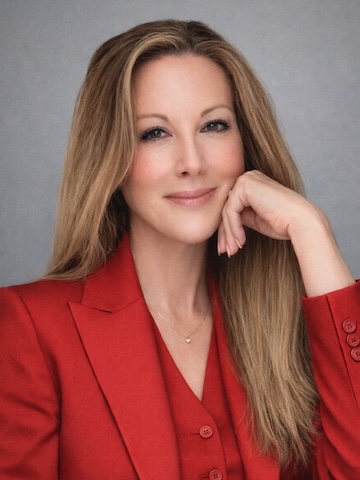
Amy Sorter is Director of Higher Education at Yamaha Corporation of America, where she also leads the Outbound Sales Team. With more than 25 years of experience across higher education, publishing, and institutional strategy, she is known for aligning people, purpose, and innovation to advance student success. Amy also serves as a Professor of Music Industry Studies at the University of South Carolina and holds a Bachelor of Arts in English Journalism from the University of New Hampshire.
1. For CMS members who may not know Yamaha’s higher education work, how do you describe your role and the mission of the Higher Education Solutions work you lead?
As the Director of the Higher Education Solutions Team at Yamaha Corporation of America, my work is centered on supporting colleges and universities in preparing the next generation of musicians, educators, and industry professionals. The Higher Education Solutions Team is dedicated to assisting institutions in meeting their program goals and aligning with their missions. In fact, we believe that every music program has something unique that makes it special, and we work with institutions to build meaningful relationships. At its core, our mission is to align Yamaha’s full ecosystem—acoustic instruments, digital technologies, professional audio, and educational resources with the evolving needs of higher education. We approach this through what we call a “One Yamaha” philosophy: bringing together our collective expertise to serve institutions in a more integrated and strategic way. Rather than focusing solely on products, our goal is to be a long-term partner—supporting institutions as they innovate their curricula, enhance student experiences, and expand their impact in their communities.
2. What are the most meaningful parts of your work with faculty and administrators, and what do you wish higher education leaders understood about how industry partners can support their goals?
The most meaningful part of this work is the dialogue and engagement with faculty and administrators who are deeply committed to their students and to the future of music. These conversations often move beyond immediate needs and into broader questions about relevance, access, and sustainability in music education. What I wish more higher education leaders understood is that the most effective industry partnerships are not transactional. They are collaborative and mission-aligned. The best outcomes occur when institutions invite partners into strategic conversations early, rather than at the point of procurement.
Industry partners can offer insights into emerging technologies, career pathways, and global trends, but only when there is a shared understanding of institutional goals. When that alignment exists, partnerships can meaningfully enhance both student outcomes and institutional innovation.
3. What are your primary goals for the next year in your Yamaha work with higher education?
Our primary focus is to deepen engagement in ways that directly support institutional priorities. This includes expanding initiatives that integrate technology and pedagogy—particularly in areas such as music technology, immersive audio, and interdisciplinary collaboration. We are also continuing to evolve programs such as our Institution of Excellence initiative, which recognizes and supports forward-thinking programs redefining what music education can look like today. A key area of focus in the coming year is strengthening our support for institutions in navigating donor engagement and funding. Across higher education, we are seeing increased reliance on philanthropy to advance capital projects, enhance facilities, and invest in transformative student experiences. Yamaha is uniquely positioned to support this process, not only through the instruments and technologies themselves, but through thoughtful partnership in helping institutions articulate vision and impact to potential donors. This includes collaborating with development teams, aligning on donor priorities, and helping translate musical and educational outcomes into compelling narratives that resonate with philanthropic stakeholders. Whether it’s a performance space, a piano fleet, or new marching arts instruments, our goal is to help institutions connect donor intent with meaningful, lasting investments in their programs. Ultimately, the goal is to ensure that Yamaha is not just present in higher education but meaningfully contributes to conversations around student success, program innovation, financial sustainability, and long-term institutional growth.
4. Your current work draws on a long runway of experience across higher education, publishing, and institutional strategy. What were the earliest roles or projects that most clearly set your direction toward this intersection of music, education, and organizational leadership?
Early in my career, I found myself consistently drawn to roles that required connecting ideas across different parts of an institution, whether that meant bridging academic departments, publishing initiatives, or broader institutional strategy for student success. I was less interested in working within a single lane and more interested in how systems, people, and purpose could align to create meaningful outcomes. Moving into music was an unexpected shift in my career, and the most rewarding experience I have had professionally. It gave me the opportunity to join the faculty at The University of South Carolina. As an instructor in music industry studies, I began developing a curriculum focused on professionalism, career navigation, and the often-unspoken skills required to succeed in the music industry, including communication, adaptability, follow-through, and the ability to build authentic relationships. What became clear very quickly is that while students are exceptionally well-trained musically, many are seeking more structured guidance on translating those skills into sustainable careers. This realization has shaped a significant part of my work. I am actively developing curriculum and content that extends beyond a single classroom, designed to support a broader audience of students, emerging professionals, and even faculty who are looking for frameworks to better prepare students for today’s evolving career landscape. This includes practical guidance on interviewing, networking, professional presence, and navigating complex, portfolio-based careers that don’t follow a traditional path. What ties all of this together is a focus on access and applicability. Whether through teaching, curriculum development, or my work at Yamaha, I am motivated by helping bridge the gap between education and real-world opportunity, ensuring that students not only develop as artists but also as professionals who can confidently and successfully navigate the industry. That intersection of music, education, and organizational leadership has ultimately become the foundation of my work.
5. What advice would you give a department chair or faculty leader who wants to build a strong, values-aligned partnership with an industry organization, but is unsure where to start?
Start with clarity of purpose and be transparent about your challenges. Before engaging an industry partner, it’s important to define what success looks like for your program, whether that’s enhancing student career readiness, expanding access to technology, or strengthening community engagement.
From there, seek partners who demonstrate a genuine commitment to education, not just a presence in the marketplace. The strongest partnerships are built on shared values, transparency, and a willingness to listen. I would also encourage leaders to think long-term. A successful partnership is not defined by a single project, but by an ongoing relationship that evolves alongside the needs of the institution and its students. If you build the relationship in this way, the right partner should be there to walk alongside you and share in your success.
6. When you think about the future of music programs, what innovations (curricular, technological, or community-facing) excite you most, and what is needed to make them sustainable?
What excites me most is the growing integration of music with broader disciplines such as technology, health, media, and entrepreneurship. We are seeing programs that not only train exceptional musicians but also prepare students to navigate a wide range of career pathways. We are also discovering career paths for students interested in the music industry beyond performing, which is inspiring. The fundamental truth in the music field is that for every five performers on stage, there are 5,000 people behind the scenes who helped get them there. That’s where the jobs are, and that is where we should be preparing students to pursue careers after graduation. I am also seeing technological advancements in areas such as immersive audio and digital production that are opening new creative possibilities while also reshaping how music is taught and experienced. Programs dedicated to skills-based careers are very much in need right now, such as piano and instrument repair technicians. It’s interesting to me to see the divergence between traditional pathways and new technological ones that will be relevant in the music industry for years to come. Sustainability requires thoughtful implementation, including faculty support, infrastructure investment, and alignment with the institutional mission. It also requires a continued focus on access and inclusion, ensuring that these innovations benefit a diverse and evolving student population. The vision must be clear to be sustainable, but the most important partis having faculty and administration all be on board with the mission. Ultimately, the future of music education will be defined not just by what we create, but by how intentionally we integrate those innovations into meaningful and lasting educational experiences.
CMS March Spotlight – Dr. Elizabeth Momand
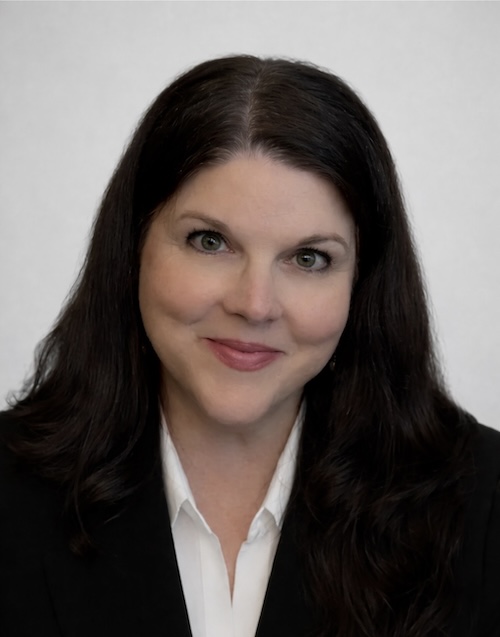
You teach voice and related courses at the University of Arkansas – Fort Smith. What are the most important learning outcomes you want students to gain from your studio teaching and from your workshop work?
Studying applied music requires students to overcome significant physical, mental, and emotional challenges. I often compare it to climbing a mountain—progress demands honest intention, resilience, and trust in the process. In my studio and classroom teaching, I want students to develop technical excellence, of course, but also self-awareness, discipline, and confidence.
I believe deeply in teaching the whole person. Beyond vocal technique and musicianship, I want my students to grow into thoughtful, empathetic human beings. At the end of every class, I tell them to “Go forth and conquer the world with love and kindness, because we need a lot more of it.” Ultimately, my goal is simple: I want them to be great singers who are also great people. That is the most meaningful learning outcome I can imagine.
Your research has focused on the songs of women composers, and you have presented this work in a range of professional contexts. What initially drew you to this scholarly focus, and what questions are driving your current research agenda?
What first drew me to this work was a moment of realization after completing my doctorate. I looked back over the repertoire I had studied and performed throughout my degrees and realized that not a single song had been composed by a woman. That discovery was deeply humbling and, quite frankly, troubling. It revealed a significant gap in my own training and in the broader traditions we often take for granted.
I made a commitment then that, as both a performer and teacher, I would not continue that pattern. I began intentionally programming and assigning works by women composers, and the more I researched, the more I uncovered extraordinary composers whose music had been overlooked or largely forgotten.
My current research is driven by a desire to recover the work of historical women composers and return it to active performance. I want their music not only studied, but heard—by students, audiences, and future performers.
Many CMS members are balancing heavy teaching and service demands with scholarship. How do you sustain a scholarly practice alongside a full teaching load and leadership responsibilities, and what habits have helped you keep research moving forward?
A scholar I greatly admire once told me that curiosity and awareness are essential qualities for bringing about change. I believe they are also essential for sustaining a scholarly and creative agenda. For those of us with heavy teaching and service loads, time for research rarely just “appears.” If it happens, it’s because we made it happen—and protected it.
What truly drives my scholarship, though, is joy in discovery. There is something incredibly energizing about finding a forgotten song hidden in archives or tracing a composer’s story across decades. And honestly, a lot of that joy now comes from sharing the work with my students. I not only assign them songs connected to my research, but I often invite them to perform with me on lecture recitals or present their own projects in symposia. I want them to experience the same excitement that first drew me in. Watching their curiosity take hold reminds me why the work matters and gives me the momentum to keep going.
Practically, I rely on small habits and use the voice recorder on my phone extensively to jot down questions or ideas that arise while teaching. I maintain a digital to-do list with reminders, and set small goals that can be accomplished in short periods of time rather than waiting for large uninterrupted blocks. I think of scholarship like a puzzle, and I’m eager to look for the next piece because curiosity keeps pulling me back to the archives — and because the thrill of discovery makes the effort worthwhile.
You have held academic leadership roles as well as several formal service leadership appointments. What is one piece of advice you would offer to emerging faculty who hope to contribute to leadership in their department or within professional organizations, and why?
Early in my career, a mentor who has been active in CMS for many years told me that if I truly wanted to make an impact, I should never make the work—service, research, or leadership—about myself. Instead, I should be sincere about why I do what I do. I have earnestly tried to live by that advice.
When I mentor faculty, I encourage them to pursue leadership opportunities not to add another line to their vita, but to genuinely help move something forward. For me, leadership grounded in service builds trust, strengthens relationships, and ultimately creates the kind of impact that lasts far beyond a title.
How has CMS shaped your approach to teaching and scholarship, whether through conference programming, peer networks, mentoring relationships, or opportunities to present and perform?
What I appreciate most about CMS is that it genuinely values many forms of scholarship. Whether the work is a paper, lecture recital, demonstration, performance, or workshop, there is space for it—and it is taken seriously. That has shaped my own approach to scholarship. It has encouraged me to see creative work, performance, and research not as separate categories, but as varied yet connected ways of contributing to our field.
CMS conferences also expose you to remarkable diversity—of disciplines, teaching methods, and perspectives. That type of environment expands your thinking, which is critical for staying current and relevant. The networking and mentoring relationships that grow out of those encounters have been just as important as the formal presentations. CMS has shown me that my work becomes better—and more meaningful—when it’s in conversation with others.
If you could invite CMS members into your day-to-day work for one afternoon, what would you most want them to see about teaching and sustaining a career that blends performance and scholarship?
If CMS members could step into my day-to-day work for an afternoon, I think they would see that we are all climbing the mountain together—whether professor or student. We are constantly working on the physical, mental, and emotional aspects of our craft as performers and scholars.
For me, scholarly and creative activities are not separate categories in my professional life. It is imperative that my scholarship informs my teaching and performing—and that my teaching and performing, in turn, shape my scholarship. As professors, we’re not climbing different mountains from our students; we’re climbing the same one, just at different stages. And our role is to make that climb possible for them.
Biography
A native Mississippian, Professor Elizabeth Blanton Momand received her Bachelor of Music and Master of Music degrees in vocal performance from Mississippi College in Clinton and her Doctorate of Musical Arts in vocal performance from the University of Texas at Austin. As a soprano soloist, Momand has performed numerous oratorio roles with orchestra including Mozart’s C Minor Mass, Vesperae solonnes de confessore, and Requiem; Handel’s Messiah; Bach’s St. John Passion; Vivaldi’s Gloria; Rutter’s Requiem; and Orff’s Carmina Burana. At the University of Arkansas – Fort Smith, Dr. Momand teaches voice and voice-related subjects and directs the Opera and Musical Theatre Workshop. Her students have been state, regional, national, and international winners of singing competitions and scholarships and have been admitted to prestigious graduate programs and summer festivals around the world.
Included in the honors Momand has received for her academic work and teaching are a fellowship for a year of study in Germany, a fellowship for travel and study in former East Germany, a Fulbright-Hays Fellowship for travel and study in India, the UAFS Lucille Speakman Master Teacher Award, and the Speakman Fellowship for Research in Teaching Award. She has presented her research on the songs of women composers at state, regional, national, and international conferences including the College Music Society, the International Alliance for Women in Music, the International Trombone Festival, the International Women’s Brass Association, the International Hispanic Heritage Festival, and the Music by Women Festival. Recently two of her compositions were premiered at the International Trombone Festival. Dr. Momand is immediate past-president of the South Central Chapter of the College Music Society and served on the board of directors for the International Association for Women in Music. She has served in many leadership positions in the Arkansas Chapter of the National Association of Teachers of Singing and serves as an accreditation visitor for the National Association of Schools of Music. Her passion for teaching stems from her own desire for life-long learning and her strong belief in the power of music to transform lives. She ends every class by imploring her students to “go out and conquer the world with love, peace, and kindness, because we need so much more of it in the world.”
CMS February Spotlight – 2027 International Conference: Dr. Katherine Pukinskis and Dr. Phillip J. Doyle
CMS looks forward to announcing the Calls for Proposals for the 2027 CMS International Conference in Reykjavík, Iceland, later this month. This month’s Spotlight features interviews conducted with Dr. Katherine Pukinskis, 2027 CMS International Conference Program Chair, and Dr. Phillip J. Doyle, 2027 Chair of Artistic Partnerships & Cultural Exchange. Read on to learn more about Kate and Phil’s collaborative planning for the 2027 CMS International Conference and the many ways in which this gathering aims to bring CMS members together across disciplines, perspectives, and musical traditions.
Katherine Pukinskis, 2027 CMS International Conference Program Chair
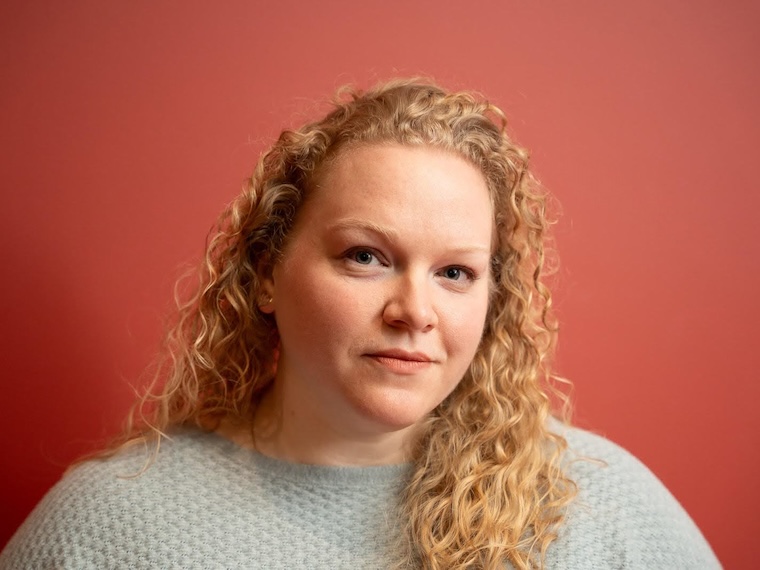
1. As Program Chair for the CMS International Conference, how do your current compositional and research interests shape the collaborations, formats, and questions you most hope to elevate through the gathering?
As a composer, I relish the fact that my creative practice is inherently incomplete; I depend on an ecosystem of many different people with many different kinds of expertise to make music happen. These responsibilities might be fulfilled by performers, conductors, interpreters, engineers, producers, teachers, audience members, and so many others. My contribution to the music is a fraction of what the finished product ends up sounding like, and I really love handing my ideas off to others and seeing the ways they find something of themselves in the work. It means that every performance of every piece of music is this singularly unique moment that could only happen in that way because of that specific set of circumstances; for me it is a risk, a trust in others, and a joy in seeing the way music lives and thrives well beyond my initial ideas for it.
As I practice in my teaching, as well as my creative practice as a composer and research practice as an ethnomusicologist and theorist, the theme and call for our 2027 International Conference is designed to open as many pathways to engage as we could possibly offer, to highlight and celebrate each of these individual parts of the dynamic systems of music-making. I am so excited by the ways the 2027 call will invite the celebration of individual contributions through the thread of connection.
2. What artistic and research questions are animating your work right now, and how do they shape the way you convene people and frame conversations in your professional roles?
As I continue to compose, teach, and research in and around music, I feed a hunger to explore–from as many angles as I can–what makes music “work:” what makes it stick: how is it created: how does it move us and how does it outlast us: how is it used for purposes bigger than performance: how does it travel between communities, across the globe, and over time?
One important realization that comes out of these questions is that people make music work. Incorporating the way a person crafts meaning through interpretation or creation, how audiences create value through consumption and engagement, the completely singular experience of breathing together with your chamber group before the downbeat of the next measure, and so many more pathways are the heart of these questions. As I collaborate with others, I make sure that the human sits at the center of the focus, right next to the music.
3. Your scholarship engages storytelling, voice, and cultural identity. How do these interests guide the collaborations you seek between performers, composers, and scholars?
My primary research area is in Baltic choral music, particularly in the Latvian Song Festival traditions. (I met some wonderful friends and colleagues during the 2023 CMS International Conference in the Baltics!) Like any piece of music, this festival is its own dynamic system, moving and evolving because of an intricate interaction between, of course, the tens of thousands of singers and conductor, but also because of layers and layers of historical and environmental meaning, advancing and eroding with each festival, held every five years since 1873. Taking on ethnomusicological fieldwork in Latvia alongside my creative compositional practice helped me remove the role of the composer as the center of the solar system, which is so often the hierarchy I learned about in the Western classical canon. It showed me that the composition is only one part of a much richer and more complex system that gives music its meaning and value in society. Further, it reinforced that meaning in music comes not only from how or what happens, but when it happens, where it happens.
This mindset is one I take into every collaborative interaction I have; I spend a lot of time in the early stages working to craft a project that is mutually beneficial and which celebrates the artistry and offerings of each partner. I also try to leave room for the non-compositional elements that can influence the collaboration; where will the piece be performed, who is in the audience, what other repertoire is on the program, what about the environment, community, or moment can we engage in the project? I find this kind of attention in the early stages creates a more equitable and healthier process and outcome for the work.
4. You have worked closely with ensembles and educators across many settings. What principles guide how you commission, mentor, and create space for new work and diverse voices?
One of my priorities in any kind of collaborative space, particularly with teaching, mentorship, and commissioning projects, is to have open and honest conversations from the beginning; these conversations ensure that both parties can participate as authentically themselves, which in turn makes for better work on all accounts!
I recall many moments in my earlier professional life where I wasn’t aware that an alternate plan was available until someone who had been through it told me I could advocate for it, or I found out later that I missed out on an opportunity for a healthier or more positive experience because I didn’t know (or think) I could ask for something that was more authentic to my creative practice, identity, or lived experience.
For a long time, music in higher education has been (and still is) a gatekept activity; so much privilege is at play in our field, and our ability to succeed has historically been tied to our access to resources (private lessons, high-quality instruments, performance opportunities, access to technology) well before entering into a college environment. I am fully committed to creating opportunities for conversations, collaborations, and spaces for those who might not feel this field was built with them in mind, to find or build a place where they can be comfortable in authentically expressing themselves. So often, we just need someone to take the leap and say the vulnerable thing; I am working hard to be that person as much as I can.
Phillip J. Doyle, 2027 CMS International Conference Chair of Artistic Partnerships & Cultural Exchange
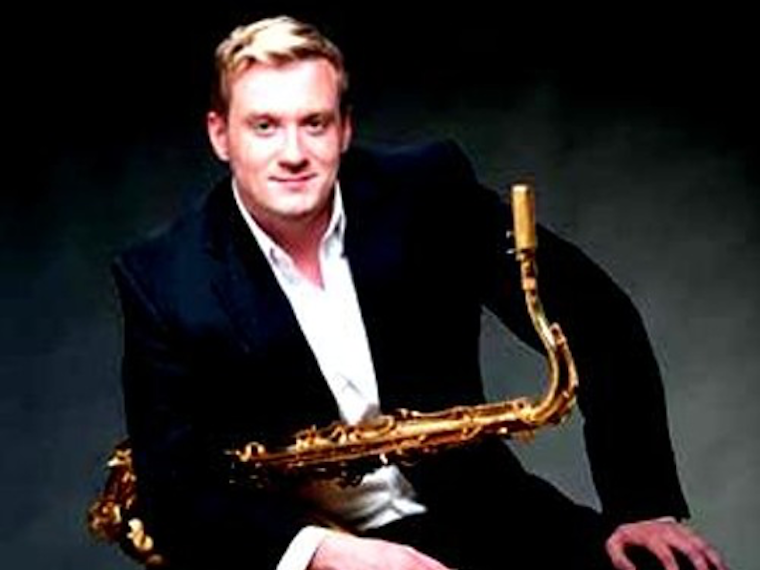
1. With a multifaceted career as performer, composer, and educator, what practices help you connect scholarship and performance for broad audiences and varied learning contexts?
As an educator, I would say by democratising theoretical concepts and even genre limitations – for example, I discuss theory from classical, jazz, and popular music perspectives alike. We started the novel, “Music Innovation Technology” B.Mus. Degree at the University of the Arts Iceland (LHÍ) to explore the boundaries of genre, focus on forward-thinking pedagogy, and ask our students continually, how can we make whatever music it is we are discussing new? For example, in jazz, I would call a bII (dominant #11) of any V7 chord a tritone substitution, while in classical, I might call it a French Augmented sixth chord, but how different are they? The utility of the musical elements we study is interesting to me. We also allow any student with or without musical training to apply, and have Jazz, Popular Music, Songwriting, and Auditory Art/DAW majors. As a performer, inviting everyone into the discussion is important to me – focusing on what elements of any performance are universally communicative.
2. You have developed longstanding relationships within Iceland’s music community. How do you think about reciprocity and shared authorship when collaborating across scenes and cultures?
I have had the true honour to play some of the most treasured Icelandic musicians’ music at small venues and large venues such as Harpa, taped or broadcast, and live. Names that come to mind right away are Gunnar Þórðarson, Magnús Eiríksson (who recently passed, an absolute genius composer), Mannakorn, TodMobile, Pálmi Gunnarsson, and Mezzoforte. I´ve also played several years with Stjórnin (a band with decades of anthem songs), worked with brilliant composers such as Atli Örvarsson, and recently did a record with Jakob Frímann, Ragga Gisla, Sigtryggur Baldursson (of the Sugar Cubes), Peter Erskine, and Matthew Garrison (a beautifully global collaboration). I wouldn´t have found such a warm and welcoming place here in Iceland were it not for the brilliant creativity this country has fostered and will continue to discover. It is absolutely a fact that music, as a fundamentally human phenomenon, knows no borders or boundaries at its very essence, and can truly unite us all through emotion, performance, and experience.
3. As you advise on the 2027 gathering, what conditions on the ground best enable artists and scholars to do their strongest work, and where do you see the most meaningful opportunities for place-based learning and exchange?
The openness, creativity, and spirit of collaboration among the community of musicians and scholars here is what will make this conference so special. There is no shortage of creative ideas in Iceland, and one of the most unique aspects of Iceland is how multidisciplinary music can be here. I´m writing this during Dark Music Days (an incredible contemporary music festival, since 1980, that showcases avant-garde, experimental, and electro-acoustic works), for example, and look forward to seeing the many unique ways we achieve interdisciplinary performances during the 2027 conference. We will be engaging performers both here and abroad to create collaborative works.
4. For the CMS International Conference, how do your experiences as a performer, composer, and educator shape the collaborations, formats, and audience experiences you most want to champion?
The key takeaway I would like to focus on in 2027 is Collaboration. It is a pillar of our Bachelor’s degree program (two semesters in Year 3: National Collaboration 1, and International Collaboration 2), as music is indeed a globally shared creative platform. We also created the new bachelor’s degree with a large international team of scholars and performers (it was formed through collaboration). It can be easy to feel isolated in a small town, state, or country, so it is important for us to remember that we live in a beautifully interconnected world, and that music can indeed surpass language and other barriers and unite us in practice, not just in feeling. When I write or create a project here, it is met with openness and easy collaborative energy by my colleagues. I feel welcomed here, and I know that the warmth of the Icelandic community will extend in a like manner to all conference attendees.
Katherine Pukinskis / Phillip Doyle
1. What is the signature experience you are most excited to create for attendees at the 2027 CMS International Conference, and how are you beginning to bring that moment to life?
KP: We are really prioritizing the idea that the experience–from crafting the theme and call to engage Iceland’s geography, history, culture, and innovations, all the way to designing events which give participants tangible ways of connecting our time there to “only in Iceland” traditions (one of my favorites is the Kvöldvaka)–is something that could only happen in this place, with these people, at this time. We are working to partner with local scholars, community leaders, and practicing musicians to present opportunities that are mutually beneficial to our CMS members and to the communities we’re intersecting with in Iceland.
PD: This is a three-fold answer: A sense of shared purpose, an enhancement of our shared value to each other, and a renewal of the recognition of the importance of artistic work. We have created some incredible committees and sub-committees, and I trust that their dynamic ideas will enhance the conference experience in incredible ways.
2. What invitation would you extend to artists, scholars, and students around the world about why this International Conference matters now, and how you hope their voices will shape it?
KP: One of the things the International Conference offers which is different from the National and Regional conferences is the gift of time; a stretch of many days together to start or continue conversations over a hotel breakfast or on a bus ride to an excursion, to plant seeds for future creative collaborations, and to let big ideas sit and stew, stirred by an incredibly rich natural and cultural environment. I love that the CMS membership is so diverse in interests, genres of practice, professions, and expertise, and this conference is a great opportunity to celebrate each of the ways we engage music in our work. It is an opportunity to get to know people and ideas we might not otherwise interact with in our daily lives.
We are living in an era where we have constant, nearly immediate, digital access to almost everything we could think up at any moment (for better and for worse!), but sometimes I think it comes at the cost of interacting with the people and environment in our present, lived-in spaces. This conference is an invitation to you all to show up exactly as you are and lean into the ways that connection through creativity/the arts, broadly defined for both terms, feeds our professional practice and our communities. It gives you a handful of days to dedicate to living right there, in the moment, with the people and ideas around you. You will make this conference what it will be.
PD: I would invite you to share the news of this future conference with all your friends, colleagues, musicians, and scholars alike, to encourage everyone to breathe fresh air and fresh ideas into our mutual creative pursuits. I invite you, as well, to augment the spirit of togetherness in 2027, with views of the Atlantic Ocean, distant volcanoes, ideas, and sounds from across the globe under the same sun, heard through the beauty of Icelandic skies.
Kate Pukinskis Bio
Katherine Pukinskis (b. 1986) is a composer and scholar based in Pittsburgh, Pennsylvania. Her work explores storytelling and voice—tracking how words and ideas travel in music, across the world, and over time. Pukinskis has had compositions premiered by eighth blackbird, Quince Contemporary Vocal Ensemble, Akron Symphony Chorus, and the Spektral Quartet, and by members of Ensemble Dal Niente and the Chicago Symphony Chorus. Commissioning ensembles include the San Antonio Symphony, Mendelssohn Choir of Pittsburgh, Akropolis Reed Quintet, Heritage Chorale, the Esoterics Choir (POLYPHONOS winner, 2018-2019), Mägi Ensemble (ACDA National Conference 2023), Camerata Nova (50 for 50 commissioning grant winner, IDRS 2025) and Nuorten Kuoroliitto (Helsinki Finland).
An advocate of under-represented voices in western classical music, Pukinskis’s work brings unlikely content into conversation in the concert hall. A project started by a 2019 commission from the Esoterics (“A Choice Informed”) sets dissents written by female Supreme Court Justices of the United States. In 2025, Agarita Chamber Players premiered “One in Four, One in Eight,” a concert-length work which calls attention to the intersection of clinical medicine and the highly individualized, embodied experiences of infertility and pregnancy loss.
Dr. Pukinskis’s scholarly work centers cultural identity, diaspora, and choral music in Latvia, with a secondary area in contemporary musical theater. Pukinskis co-edited Baltic Musics Beyond the Post Soviet (University of Tartu Press, 2024), a collection of essays and conversations bringing together different generations of scholars and artists to continue along critical new paths in Baltic cultural studies from the position of sound and music. Pukinskis is an Assistant Professor of Composition and Theory at Carnegie Mellon University. Before joining the faculty at CMU, Dr. Pukinskis held faculty positions at Amherst College, Harvard University, and the Longy School of Music at Bard College.
Phil Doyle Bio
Dr. Phillip J. Doyle, composer, saxophonist, flutist, clarinetist, and pianist, is an alum of the Frost School of Music at the University of Miami, with a Master of Music Degree and Bachelor of Music Degree from the University of Illinois at Urbana-Champaign. His fundamental educational philosophy is modern day music programs must strive to embrace new technology and innovative teaching methodology to stay relevant and pave the way for future generations of artists and educators. Previously, he has been a Faculty Lecturer of Saxophone (and Interim Director of Jazz Studies) at Eastern Washington University working closely with administration in developing and implementing new and forward-thinking coursework. As a professional saxophonist, Phil has worked with numerous renowned artists both nationally and internationally for over two decades. He is now Associate Professor and Chair of The brand new Music Innovation and Technology BMus Degree Program at The University of the Arts (iceland).
CMS January Spotlight - Sophia Tegart, CMS Northwest Chapter President
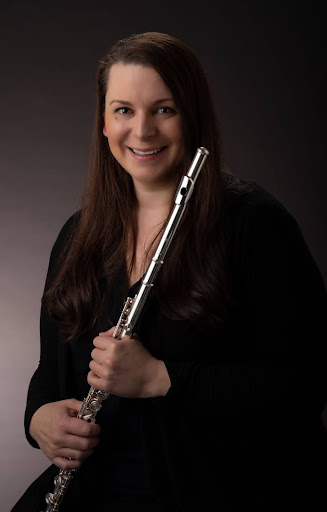
Dr. Sophia Tegart (Washington State University) currently serves as President of the CMS Northwest Chapter. In addition to her leadership in this role, she served as a key liaison during the 2025 CMS National Conference in Spokane, WA, facilitating collaborative presentations and performances with WSU faculty and supporting the coordination of onsite logistics.
Read on to learn more about Sophia’s contributions to CMS and to explore how CMS partners with local institutions to create meaningful, community‑centered experiences during our national convenings.
- What inspired you to mobilize faculty participation and resources for the 2025 National Conference, and how did you approach that outreach?
I was already excited that the conference was in the northwest region and so close to Washington State University, so organizing a colleague collaboration was just icing on the cake. I really wanted my colleagues to be able to participate in the conference and share their creative activities and research with the CMS community. My colleagues do amazing things, and I wanted to make sure everyone else knows too! In order to make this happen, I sent an email to the whole faculty with details about the possibility of multiple WSU sessions and followed up in a faculty meeting. I was thankful that so many colleagues were interested in participating because it made my job as liaison very easy.
- As CMS NW Chapter President, what strategies have you found most effective in fostering member engagement across such a geographically diverse region?
I find the best way to increase involvement is through personal connection and interactions. I have collaborated with numerous faculty members throughout this region and simply talking to them or sending a personal invite to a conference or to join the organization goes a long way. The Northwest Region is very invested in grass roots efforts, so making those personal asks and suggestions is the best way for us to engage members.
- How do you encourage chapter members to see national CMS events as opportunities for connection, visibility, and contribution?
Again, I see all CMS events as an opportunity to connect with people in our field who have similar goals and interests. Talking to them and making CMS a more personal investment and option seem to be the best way to increase involvement, even at the larger national level.
- What advice would you offer to other chapter leaders looking to deepen member involvement—both locally and at the national level?
CMS has such a familial and personal connection among the people right now. Talking to members and getting to know them and their needs helps us highlight the layers of opportunities within CMS. I think everything boils down to helping members understand that they can tailor CMS to their needs and that CMS is what they make of it. I find CMS to be rewarding due to the many friendships that have developed over the years.
Bio
Yamaha Performing Artist, Sophia Tegart, serves as Assistant Professor of Flute at Washington State University where she was awarded the 2023 President’s Distinguished Teaching Award and the 2020 College of Arts and Sciences Early Career Achievement Award. During the summers, she has taught at Young Musicians and Artist (YMA), Interharmony International Music Festival in Acqui Terme, Italy, and Music for All.
Tegart has performed at National Flute Association conventions, College Music Society regional and national conferences, China ASEAN Music Week, International Conference on Women’s Work in Music in Bangor, Wales, and the Thailand International Composition Festival. Tegart is flutist in the Pan Pacific Ensemble, a wind quintet dedicated to the advancement of music by composers from around the Pacific Rim. The Pan Pacific Ensemble has released three albums (Feng, ironhorses, and Ambiguous Traces) through Albany Records. They were featured on the 2022 Chamber Music America Showcase and received the 2022 American Prize in Professional Chamber Music as well. Tegart can also be heard on Flute Duos by Women Composers (2021) with the Cherry Street Duo and the Crossroads Quartet album (2022). Tegart’s solo albums include Palouse Songbook (2020) and Cleaning Up Broken Glass (2025), both of which can be found on Spotify, Apple Music, and other streaming sources, along with her other albums.
Tegart received her Doctor of Musical Arts degree in Flute Performance from the University of Missouri-Kansas City Conservatory of Music and Dance where she held the flute fellowship in the Graduate Woodwind Quintet and studied with Dr. Mary Posses. She holds an MM in Performance and MA in Music History from the University of Oregon and a BM in Performance and BA in History from Washington State University.


